
Amputations in pets - Indications, recovery & quality of life
Amputation of a leg or part of a leg is a drastic but sometimes necessary surgical procedure in dogs and cats. It can be a last resort in cases of severe trauma, tumors, or untreatable infections. Despite the fear the word "amputation" often evokes, many pets adapt remarkably well and can maintain an excellent quality of life after the surgery. In this article, we discuss the indications, surgery, recovery, and prognosis of amputations in pets.
What is an amputation?
In an amputation, a leg or part of a leg is surgically removed. The most common amputations are of a front or hind leg. In other cases, it involves amputation of toes or the tail.
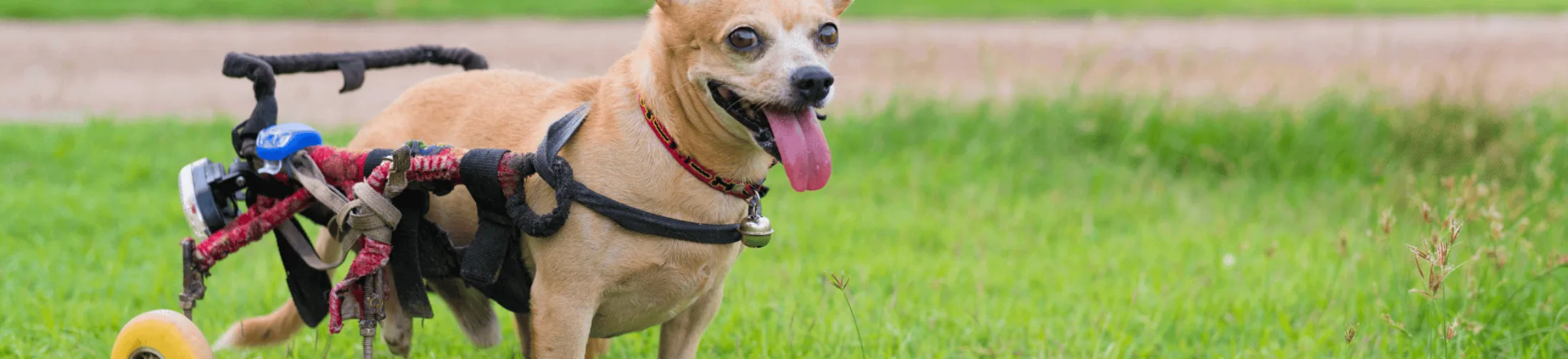
When is an amputation necessary?
An amputation is considered in the following situations:
- Severe, shattered fractures that can no longer be repaired
- Malignant bone or soft tissue tumors, such as osteosarcoma
- Severe infections or necrosis that cannot be brought under control
- Congenital abnormalities that cannot be corrected
Which animals are at risk?
Both dogs and cats may need an amputation. In dogs, it is performed more often in large breeds, which have a higher risk of bone cancer. In cats, trauma, such as traffic accidents, is the main reason.
The course of the surgery
The amputation takes place under general anesthesia. During the surgery, the leg is removed and the muscles and skin are closed in such a way that a smooth, pain-free stump is created. Pain management and fluid therapy are a standard part of the procedure. In some cases, a thoracic or pelvic limb is amputated, depending on the location of the problem.
Recovery and rehabilitation
Recovery after an amputation usually takes a few weeks. Most animals adapt quickly and learn to walk on three legs. In heavier animals or animals with osteoarthritis in other joints, physiotherapy and hydrotherapy can help improve balance and muscle strength. Owners play an important role by guiding the animal through the adjustment period.
Quality of life after amputation
Many pets can maintain an excellent quality of life after an amputation. They can often run, play, and lead a normal life again. It is important that the underlying cause (for example, a tumor) has been properly treated or removed. The emotional burden is often greater for the owner than for the animal itself.
Want to know more?
Read more about our services in orthopedics and oncology. Our specialized veterinarians at Nesto have extensive experience with amputations and support you and your pet during and after this procedure.
Frequently asked questions (FAQ)
When is an amputation necessary?
In cases of severe trauma, tumors, or infections that cannot be treated in any other way.
How quickly will my pet adapt?
Most dogs and cats adapt within a few weeks and learn to walk well on three legs.
Is the surgery painful?
During the surgery, the animal receives anesthesia and pain relief. Pain is also well managed after the surgery.
Can my pet still have a good life after amputation?
Yes, most pets have an excellent quality of life and can run and play again.
Are there alternatives to amputation?
Depending on the situation, reconstructive surgery or a prosthesis may sometimes be considered, but this is not always possible.

Nesto
Share on