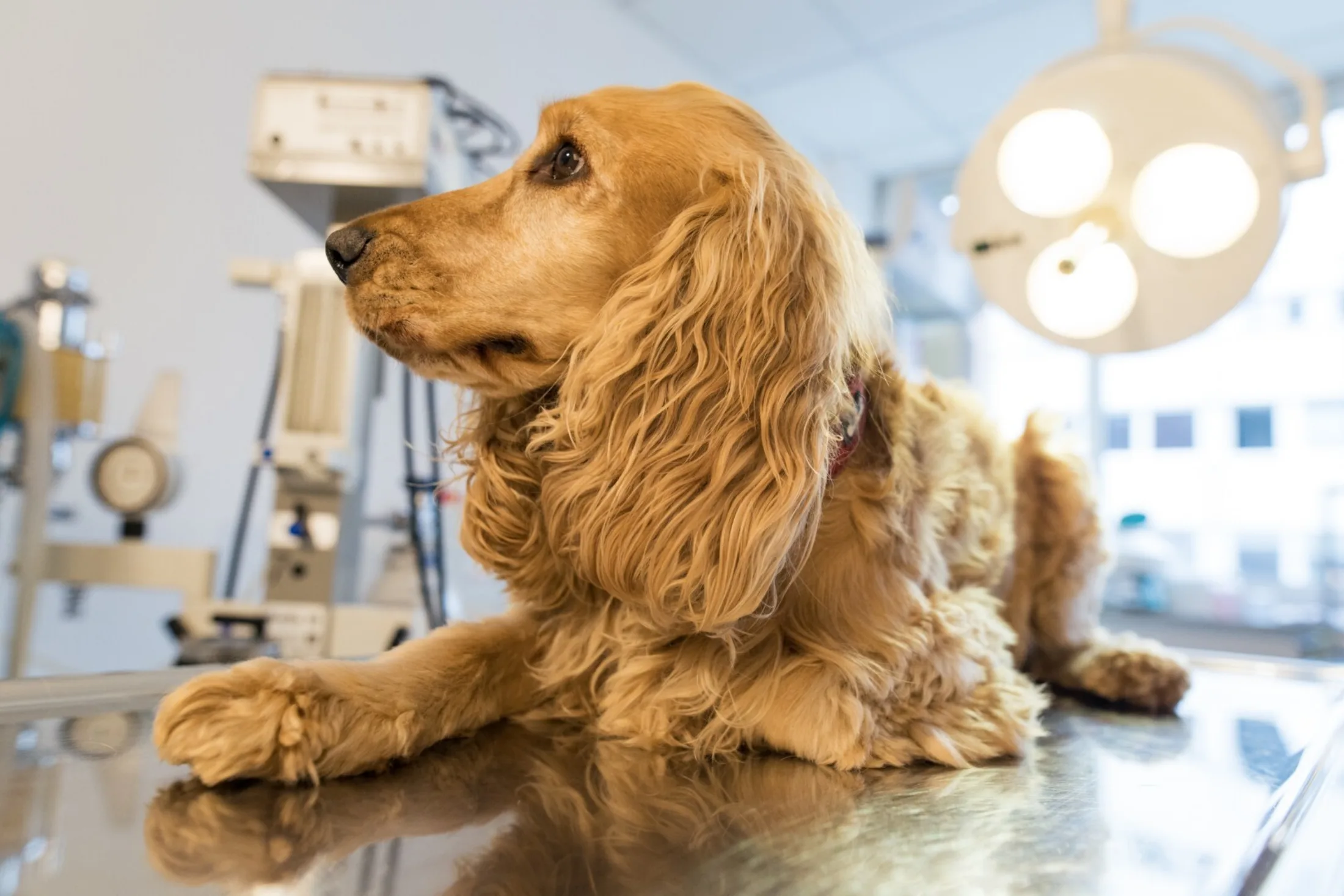
Biceps Tendon Injury in Pets – Causes, Treatment & Recovery
The biceps tendon plays a vital role in the movement and stability of the shoulder joint in pets. Injury to this tendon can lead to pain, lameness, and restricted mobility. Biceps tendon injuries are relatively common in dogs, whereas they are much rarer in cats.
In this article, we discuss the causes, symptoms, diagnosis, treatment, and recovery of biceps tendon injuries in pets.
What is a biceps tendon injury?
The biceps tendon originates from the humerus (upper arm) and attaches to the scapula (shoulder blade), creating a direct connection with the shoulder joint. The biceps tendon is responsible for flexing the elbow and stabilizing the shoulder joint. Injuries can arise from overuse, trauma, or tendon degeneration. In dogs, this often involves chronic irritation (tendinitis), although acute tears can also occur.
Which animals are at risk?
Biceps tendon injuries are more frequently seen in active dogs, particularly sporting and working dogs that perform a lot of pivoting, jumping, or abrupt stops. In cats, it is rare and usually the result of trauma (such as a fall or accident).
Symptoms in dogs and cats
In dogs:
- Lameness in the forelimb, often worsening with exertion
- Pain during flexion or extension of the shoulder (primarily during shoulder flexion, as this puts the biceps tendon under tension)
- Muscle atrophy around the shoulder
- Occasionally, a clicking or snapping sound during movement
In cats:
- Reluctance to jump
- Decreased play activity
- Subtle lameness following trauma
Diagnosis of biceps tendon injury
Diagnosis is based on a physical examination and specific orthopedic tests, where pain occurs during palpation of the biceps tendon or during provocative shoulder movements. Imaging, such as X-rays (to rule out bone lesions), ultrasound, and sometimes MRI, provides further insight into the severity of the damage. Arthroscopy offers the opportunity for both definitive diagnosis and immediate treatment.
Treatment of biceps tendon injury
Conservative treatment consists of rest, anti-inflammatory medication, and physiotherapy. For chronic tendinitis, shockwave therapy or PRP (Platelet Rich Plasma) may be utilized. In cases of severe tears or persistent symptoms, surgery is indicated, during which the tendon is detached and reattached elsewhere (tenotomy).
In cats, conservative treatment is usually preferred unless there is a severe tear.
Recovery and aftercare
Recovery from a biceps tendon injury depends on the severity of the injury and the chosen treatment method. In general, the healing of a tendon injury often takes at least 6 months. Physiotherapy, controlled exercise, and hydrotherapy help build strength and stability.
In cats, recovery is typically faster, especially with conservative treatment.
Want to know more?
Read more about our services in orthopedics, arthroscopy, and rehabilitation. Our specialized veterinarians at Nesto have extensive experience with tendon injuries and are ready to help your pet.
Frequently Asked Questions (FAQ)
It is much more common in dogs, especially in active breeds. In cats, it is rare and usually trauma-related.
In dogs, one often sees clear lameness and pain during shoulder movement. In cats, the signs are more subtle, such as jumping or playing less.
Depending on the severity: rest, physiotherapy, medication, shockwave/PRP, or surgery (tenotomy/tenodesis).
Conservative recovery takes several weeks, while surgical recovery can require 2 to 3 months. Recovery in cats is usually faster.
Many dogs and cats recover well, especially with timely diagnosis and appropriate treatment. However, chronic cases may result in persistent symptoms.

Nesto
Share on