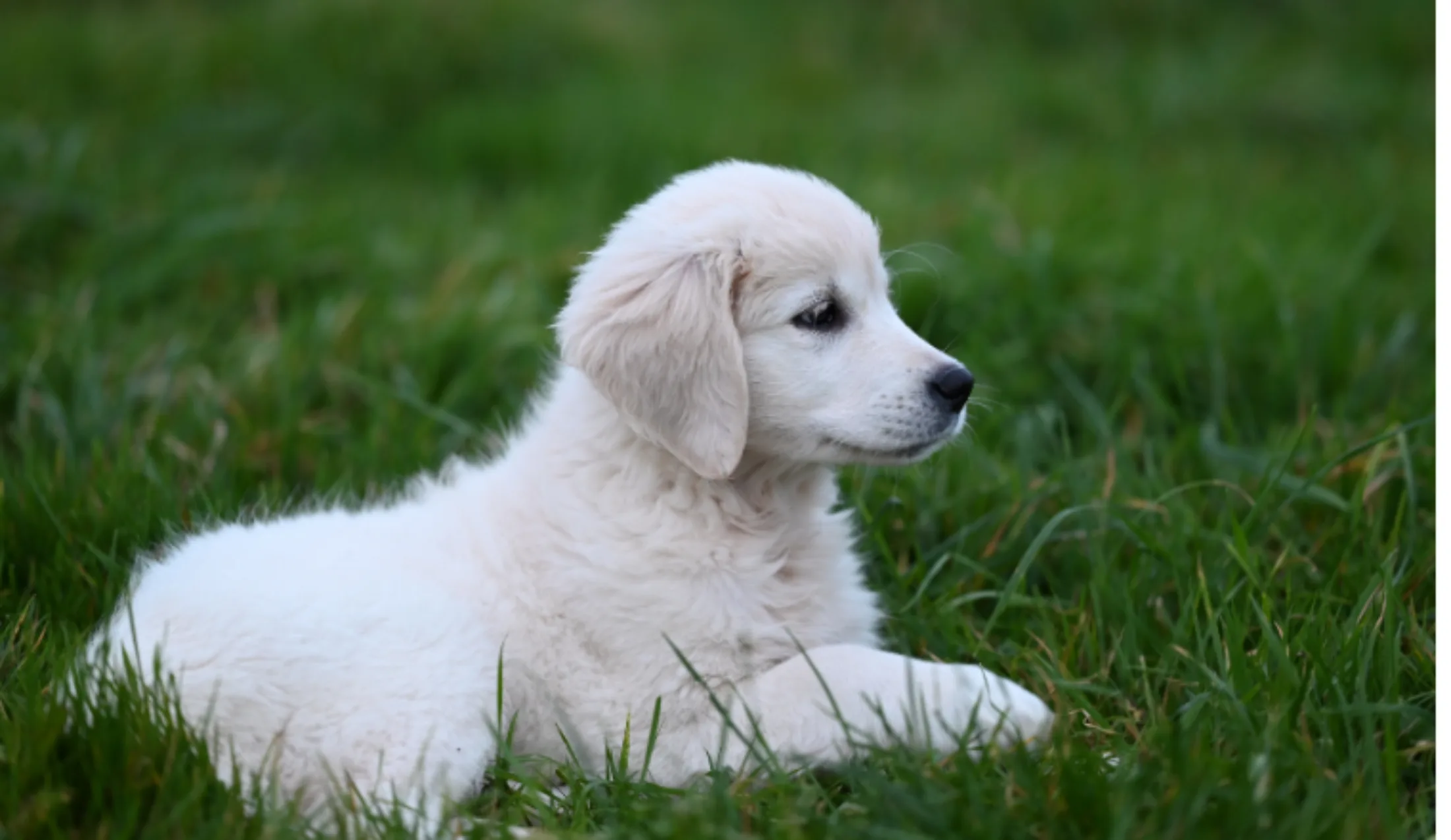
DPO in pets - Hip surgery for stability & recovery
DPO (Double Pelvic Osteotomy) is a surgical technique used in young dogs with hip dysplasia. In this technique, the angle of the pelvis is changed so that the femoral head sits deeper within the hip socket. This increases stability and reduces pain. In cats, this procedure is rarely performed.
In this article, we discuss the indications, surgical technique, recovery, and prognosis of DPO in pets.
What is DPO?
In a DPO, the pelvis is surgically cut through at two points and fixed in a new position with plates and screws. The goal is to position the femoral head deeper within the socket, so that load is better distributed and further wear is slowed down.
Before proceeding to a DPO, strict case selection takes place. DPO cannot simply be performed on every young dog with hip dysplasia. Only dogs in which the hip socket and femoral head are still sufficiently moldable, and where there is still barely any osteoarthritis present, are eligible. When there is already clear wear present, or when the joint is too unstable, another treatment may be more suitable.
When is DPO necessary?
DPO is used in young dogs with hip dysplasia who have not yet developed severe osteoarthritis. It is therefore a preventive procedure, intended to improve the congruence between the femoral head and the hip socket. This counteracts the development of osteoarthritis, reduces pain, and improves the animal's mobility. Typical indications are young, medium to large dogs with early complaints or radiographic signs of dysplasia.
Which animals are at risk?
Mainly medium to large dog breeds such as the Labrador Retriever, German Shepherd, and Golden Retriever are eligible. The procedure is usually performed between 5 and 12 months of age, before osteoarthritis develops. In cats, DPO is practically never indicated.
The surgical technique
During the surgery, under general anesthesia, the pelvis is cut through at two points. The part of the pelvis that carries the hip socket is then rotated, so that the femoral head sits deeper within the socket. The pelvis is then fixed with special plates and screws. The operation requires specialized knowledge and experience in orthopedic surgery.
Recovery and aftercare
After the surgery, a recovery period of several months follows. In the first weeks, crate rest and short leashed walks are important. After that, load is gradually built up with physiotherapy and muscle-strengthening exercises. Hydrotherapy can help strengthen the muscles without excessive loading of the joint. Full recovery usually takes 3 to 6 months.
The prognosis is generally good with correctly performed surgery and timely indication. Many dogs can once again lead an active life without severe pain complaints.
Want to know more?
Read more about our services in orthopedics and rehabilitation. Our specialized veterinarians at Nesto have extensive experience with hip surgery and are ready to help your pet.
Frequently asked questions (FAQ)
When is a DPO indicated?
In young dogs with hip dysplasia without severe osteoarthritis, usually between 5 and 12 months of age.
Can a DPO also be performed in cats?
No, in cats this procedure is practically never used.
How long does recovery take?
On average 3 to 6 months, with a combination of rest, physiotherapy, and hydrotherapy.
What is the prognosis?
The prognosis is good with correctly performed surgery, especially when the procedure takes place at a young age.

Nesto
Share on