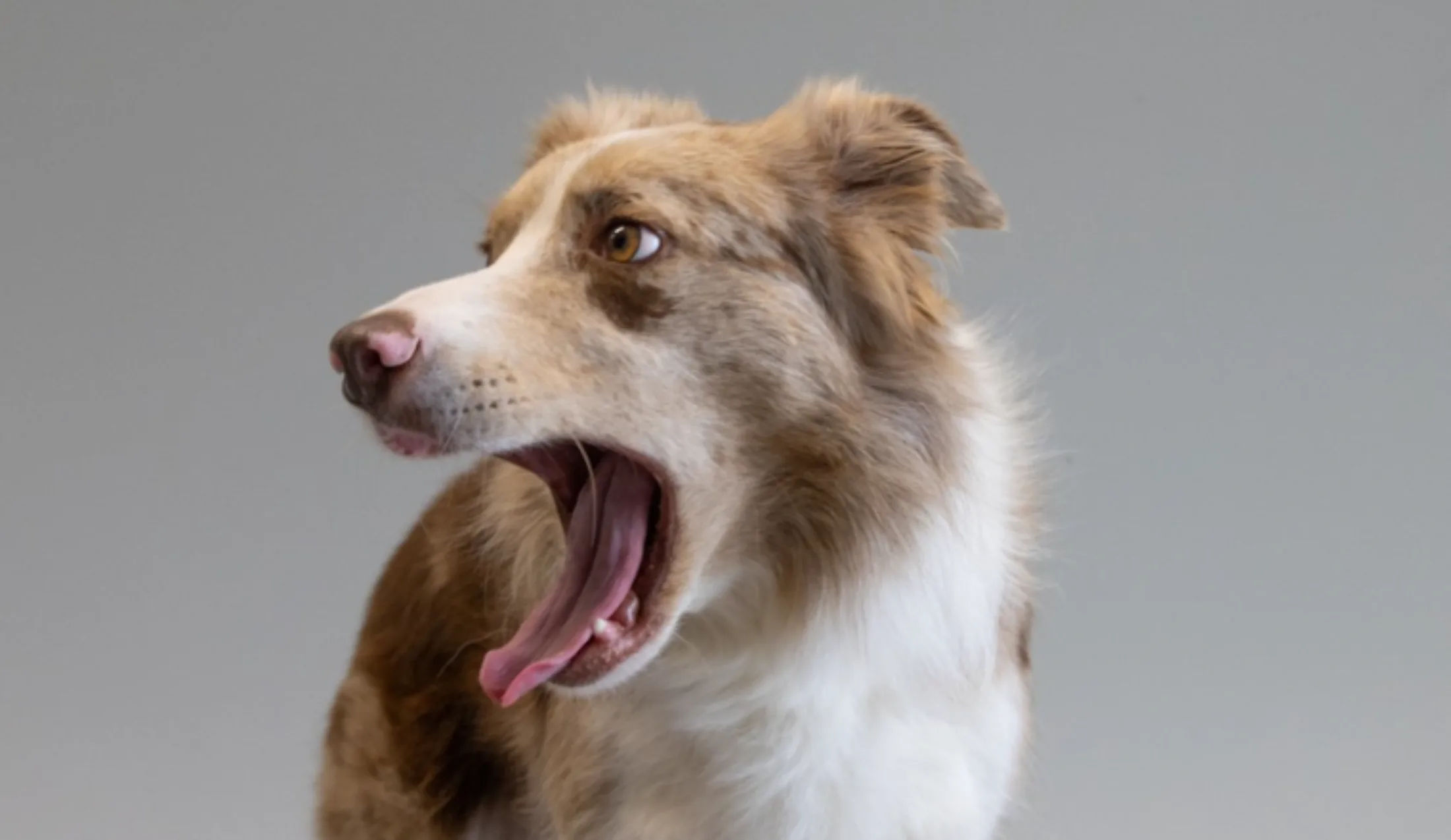
Jaw Fractures in Pets – Dogs and Cats
Jaw fractures occur regularly in dogs and cats following trauma, such as being hit by a vehicle or falling. Additionally, severe dental problems or tumors can weaken the jaw and cause fractures. A jaw fracture is painful and often hinders eating and the normal function of the mouth.
In this article, we discuss the causes, symptoms, diagnosis, treatment, and prognosis of jaw fractures in pets.
Causes of Jaw Fractures
- Trauma resulting from vehicle accidents, falls, or fights.
- Severe periodontitis (a deep inflammation beneath the gums) that weakens the jawbone.
- Tumors that affect or degrade the jawbone.

Symptoms of Jaw Fractures
- Pain when opening or closing the mouth.
- Reluctance or inability to eat.
- Excessive salivation (drooling).
- Misalignment of the jaw or abnormal movements.
- Swelling, bleeding, and loose teeth.
- Sometimes audible cracking sounds when moving the jaw.
Diagnosis of Jaw Fractures
The diagnosis is based on physical examination and imaging. Dental radiography (X-rays) or CT scans are essential to determine the exact location and severity of the fracture. Additionally, underlying causes such as dental problems or tumors are investigated.
Treatment of Jaw Fractures
The treatment depends on the severity and the location of the fracture:
- Maxillomandibular fixation: the upper and lower jaw are temporarily secured to each other using special wires or brackets.
- Placement of plates or screws to surgically stabilize the fracture.
- Use of external fixation for complex fractures.
- Cerclage (wiring).
- Jaw amputation (mandibulectomy/maxillectomy) in cases of irreparable damage or tumoral processes.
- Supportive care such as pain relief, antibiotics, and specialized nutrition.
Aftercare and Recovery
Intensive aftercare is required following surgery or fixation:
- Soft or liquid food during the healing period (sometimes via feeding tube).
- Strict rest to prevent any strain on the jaw.
- Regular check-ups and X-rays to monitor the recovery process.
Prognosis
The prognosis is usually good with timely and correct treatment. In the case of pathological fractures caused by tumors or severe infections, the prognosis depends heavily on the underlying condition.
Want to know more?
Read more about dentistry and surgery at Nesto. Our veterinarians have extensive experience in treating jaw fractures in dogs and cats.
Frequently Asked Questions (FAQ)
By pain, difficulty eating, drooling, and sometimes a crooked or misaligned jaw.
Not always; small and stable fractures can sometimes heal on their own with rest and supportive care.
On average 4 to 6 weeks, depending on the severity and the treatment chosen.
Yes, most pets recover fully and return to normal eating once healing is complete.
Yes, which is why timely pain management and treatment are essential.

Nesto
Share on