Tartar removal in pets - Explanation and treatment
Tartar is a common problem in dogs and cats. It develops from the buildup of dental plaque that hardens into a solid layer on the teeth. Tartar causes gum inflammation, bad breath, and can ultimately lead to the loss of teeth. Professional tartar removal is essential for keeping the teeth healthy.
In this article, we discuss the causes, treatment, and aftercare of tartar in pets.
What is tartar?
Tartar is calcified dental plaque that adheres firmly to the tooth surface. Plaque forms from food residue, bacteria, and saliva. When it is not removed daily, it calcifies and forms tartar.
Effects of tartar
- Inflammation of the gums (gingivitis)
- Receding gums and exposed tooth roots
- Loose teeth and tooth loss
- Pain and difficulty eating
- Spread of bacteria to the heart, liver, and kidneys via the bloodstream
How is tartar diagnosed?
The veterinarian can identify tartar and gum problems during a dental check-up. Additional examination is often needed, such as dental X-rays, to assess the extent of damage to the roots and jawbone.
Treatment of tartar
The only effective treatment for tartar is a professional dental cleaning at the veterinarian. This is always done under anesthesia to treat the animal painlessly and safely. During the treatment, the following steps are carried out:
- Removal of tartar using ultrasonic equipment
- Polishing the tooth surface to slow new plaque adhesion
- Extraction of severely affected teeth if necessary
- Checking the gums and treating any inflammation
Aftercare following tartar removal
Good aftercare is important to prevent new tartar formation:
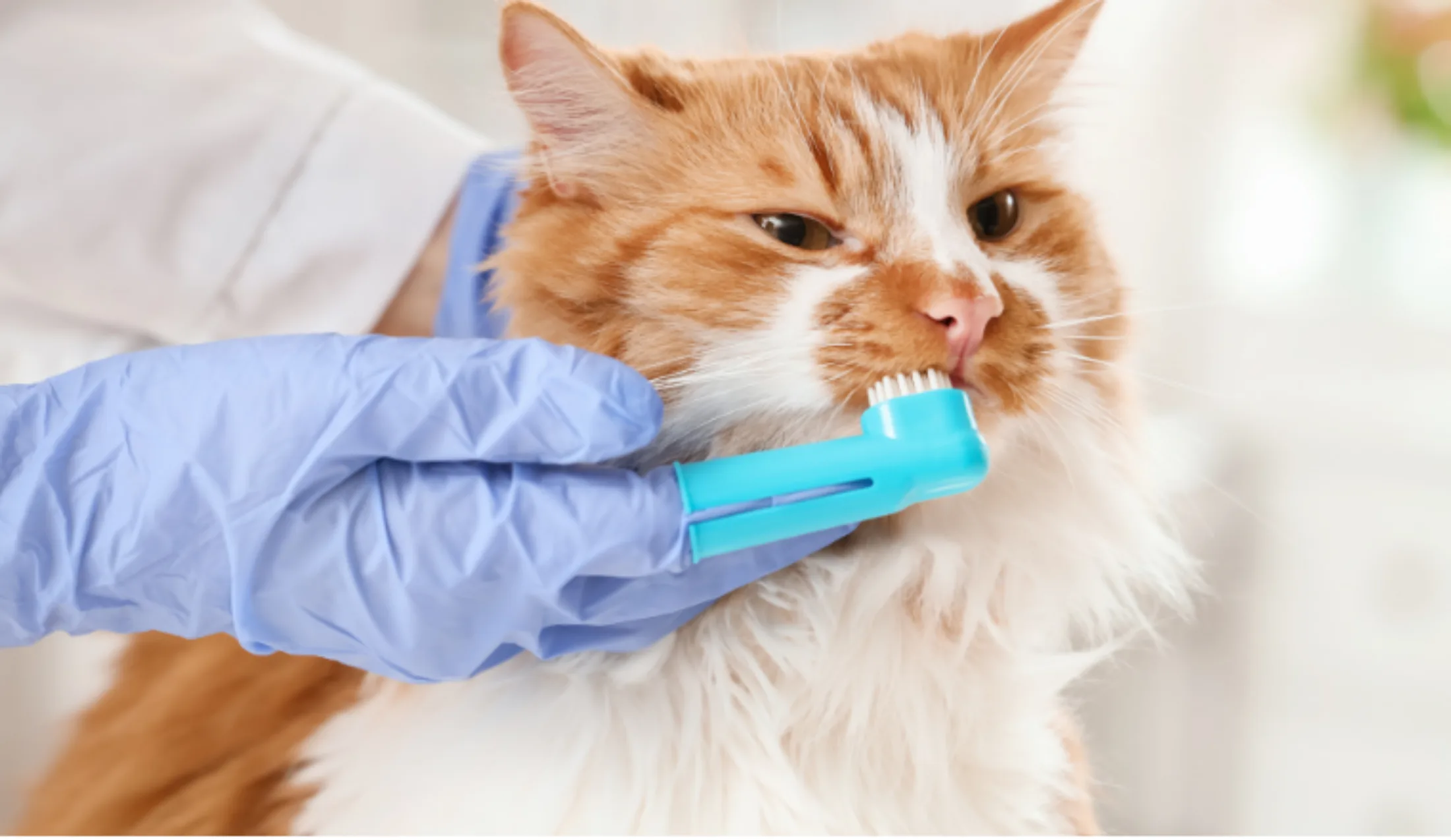
- Daily brushing of the teeth with special toothpaste for pets
- Use of dental care chew products or special food
- Regular dental check-ups at the veterinarian
With these measures, the teeth can stay healthy for the long term.
Prognosis
With timely and regular dental cleaning, the prognosis is excellent. However, if tartar is ignored for too long, it can lead to permanent damage and tooth loss.
Want to know more?
Read more about dentistry at Nesto. Our veterinarians have extensive experience in dental cleanings and dental care for dogs and cats.
Frequently asked questions (FAQ)
Is tartar painful for my dog or cat?
Yes, tartar often causes pain and inflammation, although animals usually hide this well.
Can tartar be removed without anesthesia?
No, anesthesia is necessary for a thorough and safe cleaning.
How often should teeth be cleaned?
This depends on the animal; on average, a check-up and cleaning is needed every 1 to 2 years.
Can I prevent tartar through diet?
Special food and chew products can help, but daily brushing remains the best prevention.
Are small dogs more prone to tartar?
Yes, small dog breeds often suffer from tartar and dental problems more quickly.

Nesto
Share on