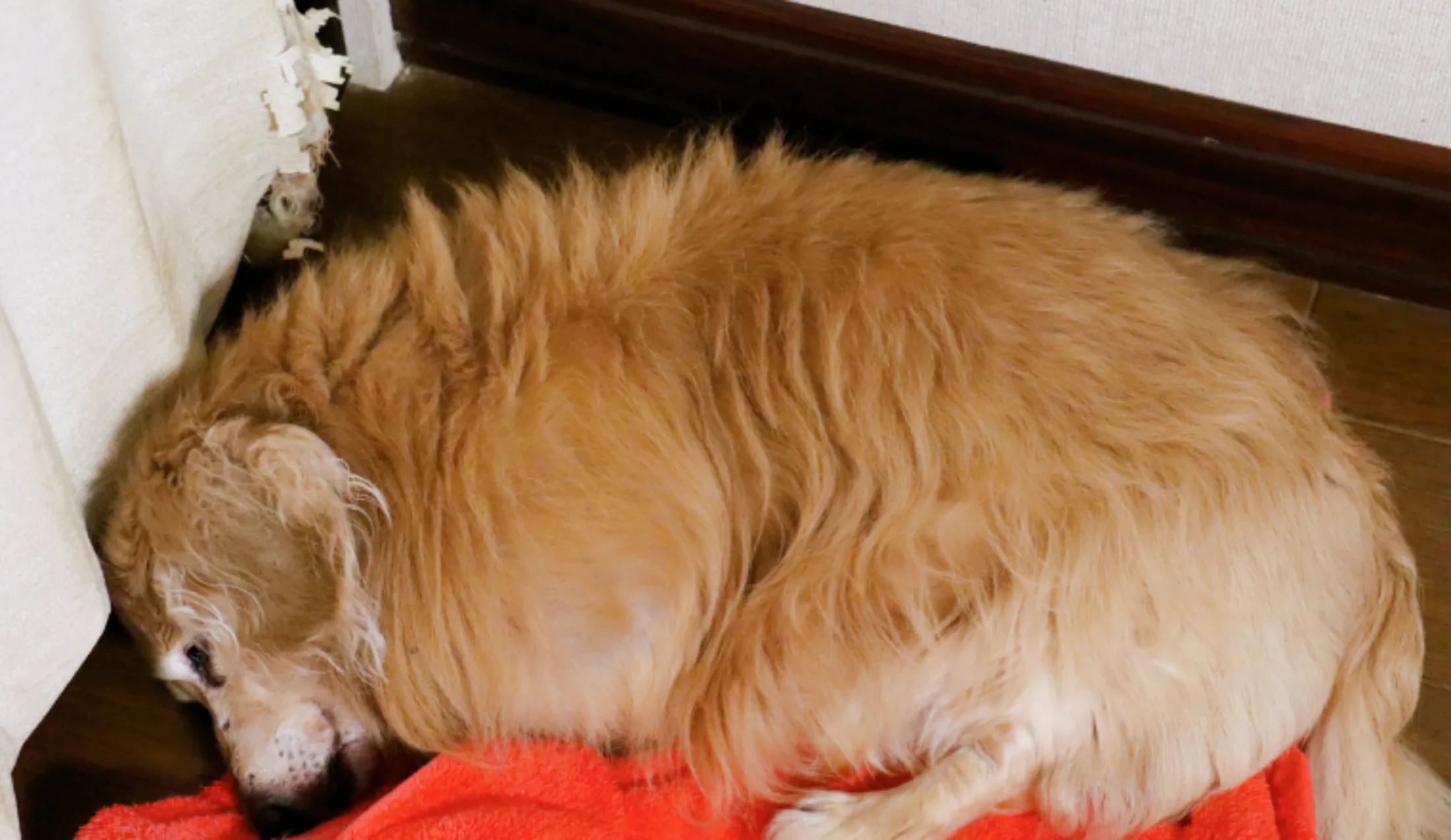
Fluid around the lungs in pets - Pleural effusion and treatment
Fluid around the lungs, also known as pleural effusion, is a serious condition in which fluid accumulates in the chest cavity around the lungs. This impairs breathing and can be life-threatening. In dogs and cats, pleural effusion can be caused by infections, heart disease, tumors, or chylothorax.
In this article, we discuss the causes, symptoms, diagnosis, and treatment options, including drainage and the use of a pleural port.
What is pleural effusion?
Pleural effusion is the accumulation of fluid in the pleural cavity, the space between the lungs and the chest wall. This fluid can consist of inflammatory fluid (pleuritis), blood (hemothorax), lymph (chylothorax), or tumor cells (malignant effusion). The pressure on the lungs prevents the animal from breathing properly.
Causes of pleural effusion
- Heart failure (e.g., in cats with hypertrophic cardiomyopathy or restrictive cardiomyopathy)
- Infections or inflammation of the chest cavity (pyothorax)
- Tumors in the chest
- Trauma with bleeding (hemothorax)
- Chylothorax: accumulation of lymph due to leakage or obstruction of the thoracic duct
- Idiopathic (without a clear cause)
Symptoms of pleural effusion
- Difficulty breathing and rapid, shallow breathing
- Reduced exercise tolerance
- Coughing
- Lethargy and reduced appetite
- In severe cases: acute respiratory distress
Diagnosis of pleural effusion
The diagnosis is made using:
- Physical examination: often reveals muffled breath/heart sounds
- X-rays: show fluid in the chest cavity and compressed lungs
- Ultrasound: useful for assessing the nature of the fluid
- Thoracocentesis: puncturing the chest cavity to collect fluid for analysis
- CT: to help visualize the possible cause of the fluid
- Blood tests: to detect underlying causes such as bleeding/protein loss/etc.
Treatment of pleural effusion
Treatment depends on the cause and severity:
- Thoracocentesis: puncturing the chest cavity to remove the fluid and immediately improve breathing
- Medication: for example, diuretics for heart failure or antibiotics for infection
- Surgical procedures for tumors or chylothorax
- Placement of a pleural port for recurrent fluid buildup (for example, in chylothorax): a catheter with a small port in the chest that allows fluid to be drained regularly without repeated needle punctures
Chylothorax and pleural port
Chylothorax is a specific form of pleural effusion in which lymphatic fluid accumulates in the chest cavity. This can result from a tear or obstruction in the thoracic duct. Treatment may consist of dietary measures, surgery, or placement of a pleural port. With a pleural port, the veterinarian can easily drain the fluid, which can significantly improve the animal's quality of life.
Prognosis
The prognosis for pleural effusion depends heavily on the cause. For infections, the prognosis is often fair to good with appropriate treatment. For tumors, heart failure, or chylothorax, the prognosis varies depending on the severity and treatability. A pleural port can improve breathing over the long term, but the underlying cause remains the determining factor.
Want to know more?
Read more about cardiology and emergency surgery at Nesto. Our specialized veterinarians have experience treating pleural effusion, including drainage and placement of pleural ports.
Frequently asked questions (FAQ)
What is pleural effusion?
An accumulation of fluid in the chest cavity around the lungs that impairs breathing.
What is the difference between pleuritis and chylothorax?
Pleuritis is an inflammation with inflammatory fluid, while chylothorax is an accumulation of lymphatic fluid in the chest cavity.
How is pleural effusion treated?
With drainage via thoracocentesis, medication, and sometimes surgery.
Is pleural effusion life-threatening?
Yes, especially when breathing is severely impaired. Prompt treatment is necessary.
Can an animal recover from chylothorax?
That depends on the cause; sometimes surgery can help, while in other cases long-term drainage is needed.

Nesto
Share on