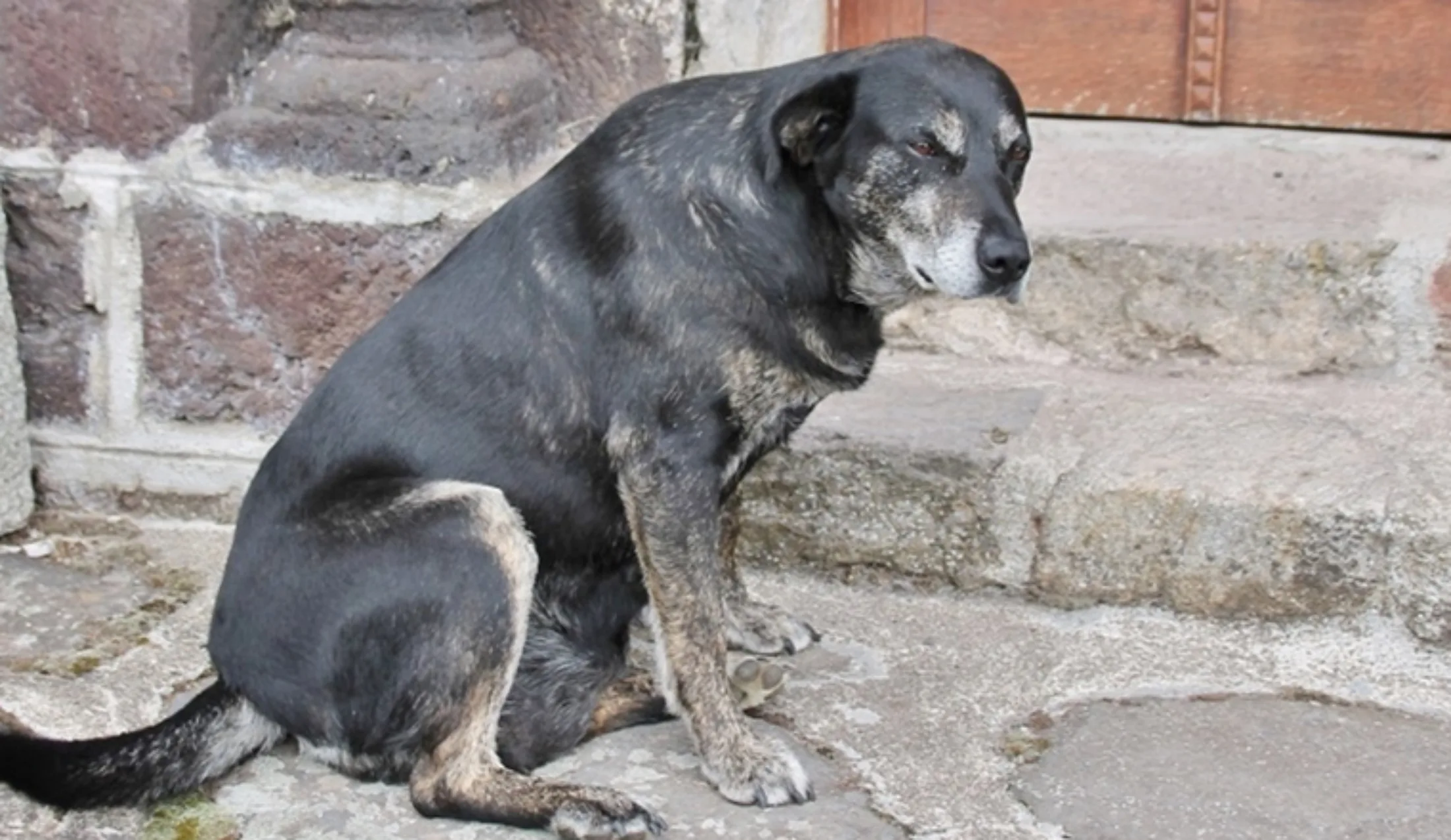
Cushing's disease in pets - Symptoms, diagnosis and treatment
Cushing's disease, also known as hyperadrenocorticism, is a hormonal disorder in which the body is exposed to excessive amounts of cortisol over a prolonged period. This can result from a tumor in the pituitary gland or adrenal glands, or from long-term use of corticosteroids. Cushing's disease is common in dogs, rare in cats, and in horses it is referred to as PPID (Pituitary Pars Intermedia Dysfunction).
In this article, we discuss the causes, symptoms, diagnosis, and treatment in dogs, cats, and horses.
What is Cushing's disease?
Cushing's disease results from an overproduction of cortisol, a stress hormone that affects many functions in the body. It can take the following forms:
- Pituitary-dependent Cushing's disease: caused by a usually benign tumor in the pituitary gland (most common in dogs)
- Adrenal-dependent Cushing's disease: caused by a tumor in the adrenal gland; in about half of cases this is a benign tumor
- Latrogenic Cushing's disease: caused by long-term use of corticosteroids. A similar clinical picture is seen in horses, but the cause and treatment differ.
Causes and risk factors
In dogs:
- Usually pituitary tumors leading to excessive ACTH production
- Adrenal-dependent tumors are less common
- Risk is higher in older small to medium-sized breeds
In cats:
- Rare, often occurring alongside diabetes mellitus
- Usually the pituitary-dependent form
In horses:
- Known as PPID, caused by degeneration of nerve cells in the pituitary gland
- Mainly affects older horses (>15 years)
Symptoms in dogs, cats, and horses
In dogs:
- Increased thirst and urination
- Increased appetite
- Thin skin and hair loss
- Enlarged (pot-bellied) abdomen
- Lethargy
In cats:
- Similar symptoms, but often more subtle
- Muscle weakness and thin skin that tears easily
- Often accompanied by diabetes mellitus
In horses (PPID):
- Long, curly coat (hirsutism)
- Weight loss despite good appetite
- Reduced muscle mass
- Recurrent laminitis
- Lethargy and reduced resistance to infections
Diagnosing Cushing's disease
Diagnosis differs slightly by species:
- In dogs and cats: blood tests (used for monitoring only, not for diagnosis), low-dose dexamethasone suppression test, urine tests (urinary cortisol-to-creatinine ratio test combined with dexamethasone administration), ultrasound to visualize the adrenal glands, possibly supplemented with CT/MRI to visualize the pituitary gland.
- In horses: blood ACTH measurement and dexamethasone suppression test
Treatment of Cushing's disease
Medication
In dogs and cats, medication is often used to suppress cortisol production:
- Trilostane: most commonly used, inhibits cortisol production
- Mitotane: destroys adrenal cortex cells (used less often)
- In cats, generally more difficult to stabilize than in dogs
In horses (PPID):
- Pergolide (a dopamine agonist) is the standard treatment
- Supportive care such as dietary management and hoof care is important
Surgery
In dogs, adrenal surgery (adrenalectomy) may be an option for a solitary adrenal-dependent tumor, as can hypophysectomy, in which the pituitary tumor is removed. However, these are complex procedures performed only at specialized centers.
Recovery and prognosis
With the right treatment, dogs and cats with Cushing's disease can maintain a good quality of life, although lifelong therapy is often required. Regular blood monitoring is very important to determine the correct medication dose.
In horses with PPID, a cure is not possible, but medication can effectively control symptoms and improve quality of life.
Want to know more?
Read more about our internal medicine and endocrinology services. Our specialized veterinarians at Nesto have extensive experience diagnosing and treating Cushing's disease and PPID, and provide guidance for long-term care and management.
Frequently Asked Questions (FAQ)
What is Cushing's disease?
A hormonal disorder in which there is too much cortisol in the body.
Which animals get Cushing's disease most often?
Mainly dogs, rarely cats. In horses it is called PPID.
How is Cushing's disease diagnosed?
With blood tests such as the dexamethasone suppression test, urine tests, and in horses primarily ACTH measurement.
How is Cushing's disease treated?
With medication such as trilostane in dogs and pergolide in horses, sometimes surgery for adrenal-dependent tumors.
What is the prognosis?
With good treatment, dogs, cats, and horses can often maintain a good quality of life for years.

Nesto
Share on